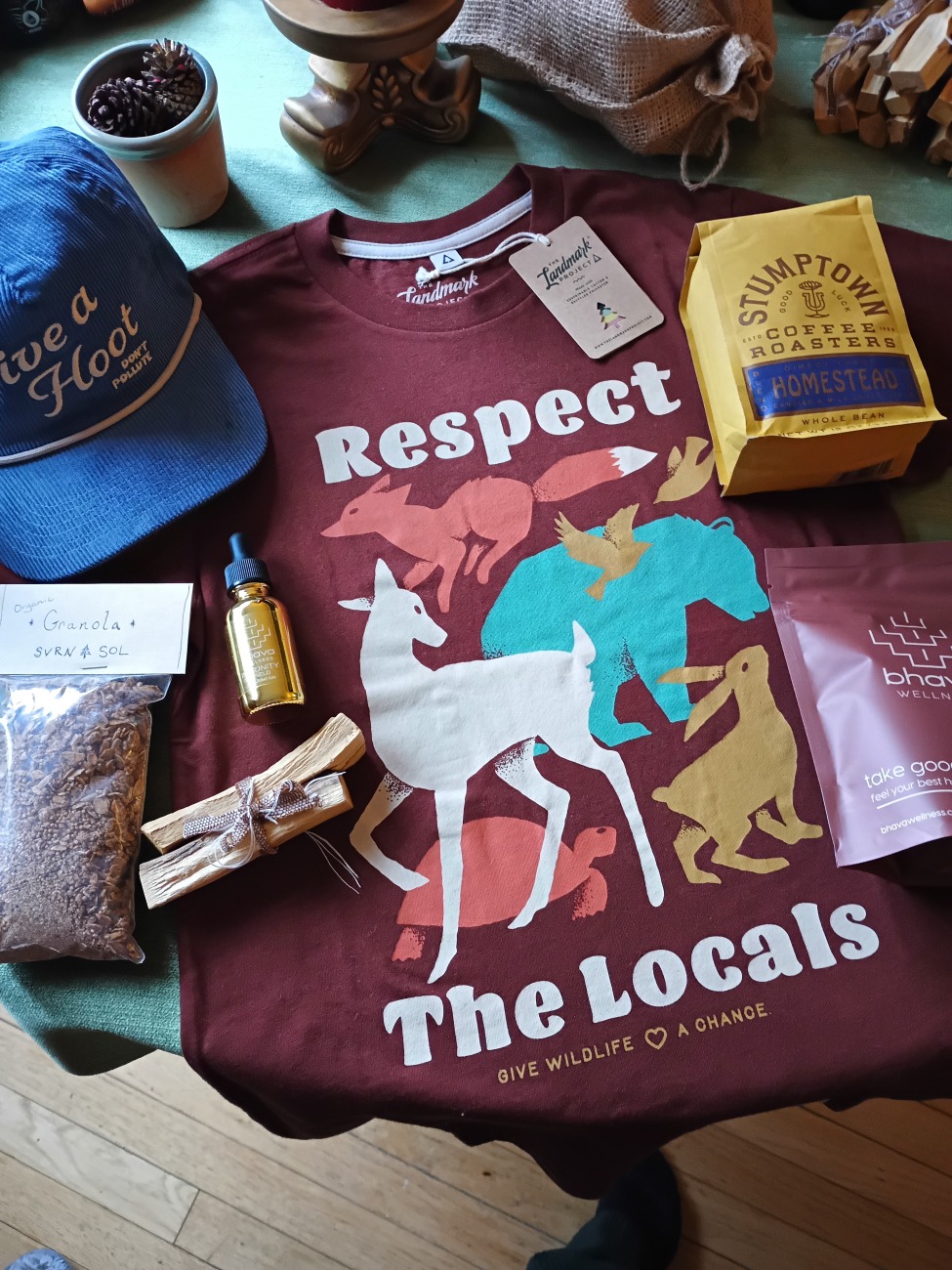
SVRN SOL is a micro apothecary and cottage food business rooted in preventative care, somatic and community health. We offer herbal remedies, fermented foods, cottage-baked goods, and heirloom provisions, with future plans for a catering and café food truck. Our work honors food heritage, local food economies, and well-made tools that support resilience, vitality, and cultural continuity.
Preferred location: Alcona, Allegan, Alpena, Antrim, Arenac, Barry, Bay, Benzie, Berrien, Branch, Calhoun, Cass, Charlevoix, Cheboygan, Clare, Clinton, Crawford, Eaton, Emmet, Gladwin, Grand Traverse, Gratiot, Huron, Ingham, Ionia, Iosco, Isabella, Kalamazoo, Kalkaska, Kent, Lake, Leelanau, Manistee, Mason, Mecosta, Midland, Missaukee, Montcalm, Montmorency, Muskegon, Newaygo, Oceana, Ogemaw, Osceola, Oscoda, Otsego, Ottawa, Presque Isle, Roscommon, Saginaw, Sanilac, Shiawassee, St. Joseph, Tuscola, Van Buren, Wexford
Desired Transitional Agreement: Lease to buy
Feb 2, 2026
Desired Acreage
- 1-5 Acres
Desired Infrastructure
Desired Land Usage
Goals, Values, Vision
We are currently operating an online Store offering sustainable food and self care items. Our hope is to model and promote sustainable life-style ecosystems for our community members.
Herbalism is on the forefront of our offerings as well as future CSA collaboration when we find our desired new homestead! 🌲
We work with fruits, veggies, 🍎🌿 🥬🌻 flowers and would love to raise some layers! 🥚 🐔
We're also interested in hosting future educational workshops, youth programs, and partnerships that strengthen food security and create pathways for employment.
Farming Status
Current Farming Status
Not currently farming
Farm Experience/Education
Farm employee, No experience farming
Farming Plans and Practices
Farming Method
Certified Organic, Organic Practices
We have lived and worked on multiple homesteads, each shaping our consumer values and practices. Over eight years on 2½ acres continues to inform our consumption habits, production methods, and lifestyle choices. We've committed to maintaining a low carbon footprint individually and as a business, and understand our work as part of a regenerative, biocultural economy rooted in living systems rather than extraction—one that supports mental health, ecological resilience, food heritage, and local food economies. While our work has historically centered locally, we are now opening thoughtfully aligned partnerships with farmers, millers, herbalists, and land stewards committed to regenerative agriculture, sustainable/fair-trade food systems, and cultural continuity.